
CELEBRATING CARIBBEAN HERITAGE THROUGH FASHION: EMBRACING THE SPIRIT OF THE HARLEM RENAISSANCE
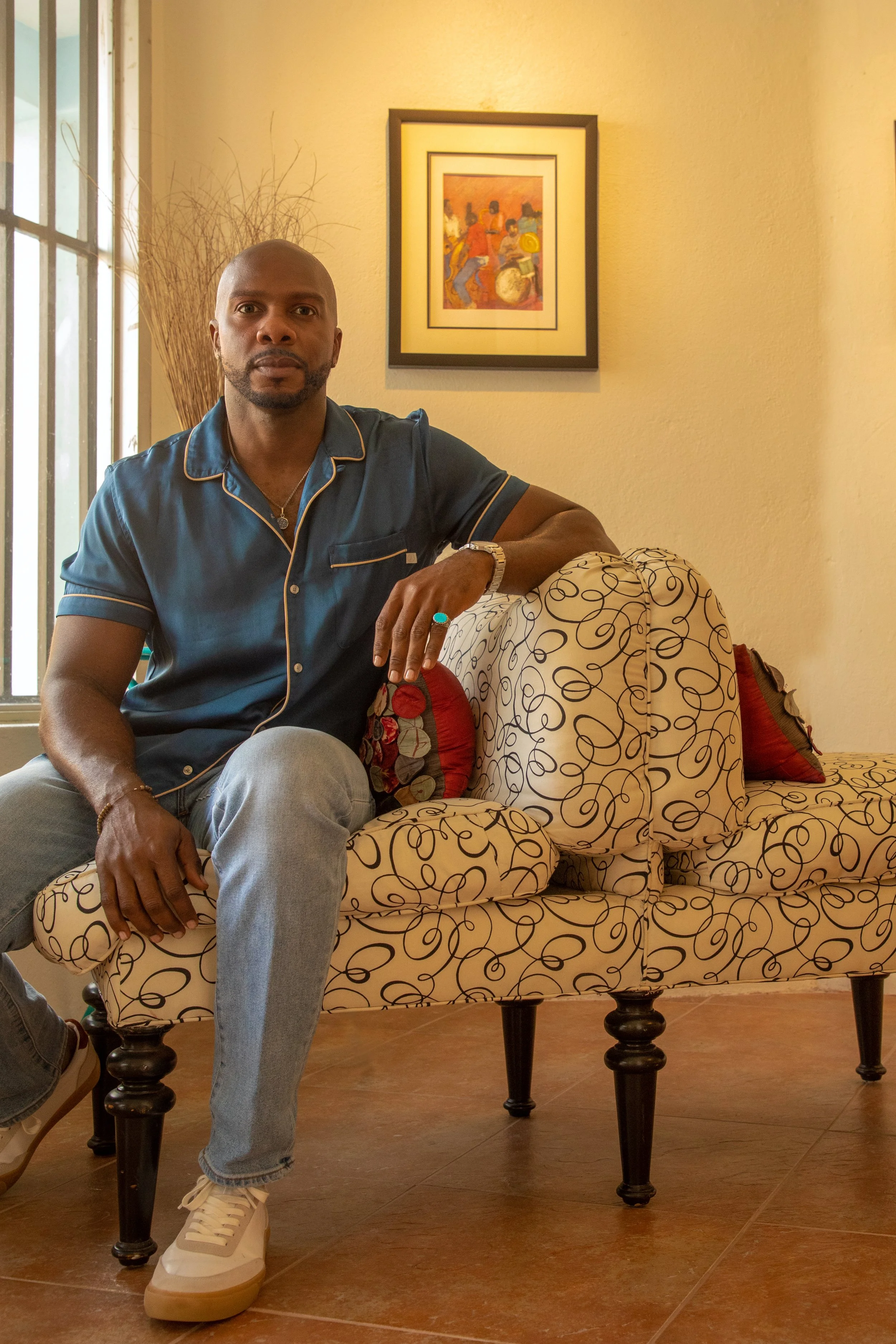
The author, Joseph Bess, photographed at Cane Roots Art Gallery on St. Croix. Photo Credit: Shaquille Cornelius.
Written by Joseph A. Bess, PhD Candidate at The University of the Virgin Islands
The Harlem Renaissance was a vibrant cultural movement that emerged in the early twentieth century, marking a pivotal moment for Black artists, writers, and musicians in the United States. This era represented a powerful celebration of Black culture and identity, with fashion serving as one of its most visible and expressive forms. Caribbean heritage played a significant role in this cultural flowering, as many Caribbean immigrants brought with them distinctive aesthetics, political consciousness, and artistic traditions that shaped Harlem’s creative landscape. The Harlem Renaissance was not merely a fleeting artistic moment; it was a declaration of pride, individuality, and resilience that encouraged Black communities to embrace their roots and affirm their identities.
One particularly important figure connected to the Virgin Islands—especially St. Croix—is Hubert Harrison, often referred to as the “Father of Harlem Radicalism.” Harrison was a fierce advocate for civil rights, education, and cultural pride, and his work helped shape intellectual and political discourse during the Renaissance. His commitment to uplifting Black artists and thinkers emphasized self-determination and cultural expression, making him a figure of deep significance for the Virgin Islands in relation to the Harlem Renaissance. Harrison’s legacy stands as a reminder of the profound influence Caribbean voices had—and continue to have—on Black intellectual and cultural life in the United States.
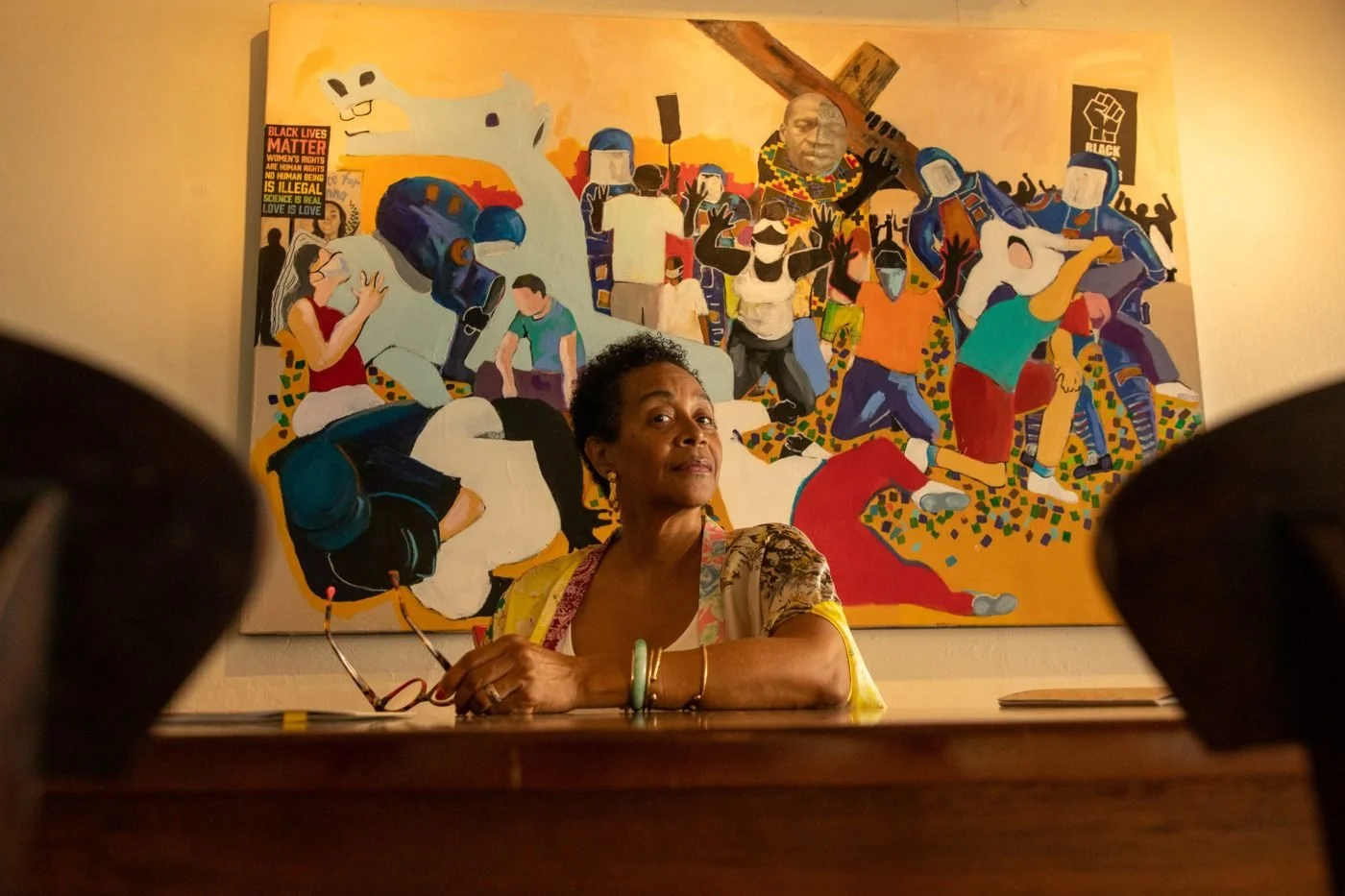
Owner and curator of Cane Roots Art Gallery, Sonia Deane is photographed inside her popular downtown Christiansted gallery. Cane Roots regularly showcases artwork by Black Harlem artists, like this piece by John Obafemi Jones. Photo Credit: Shaquille Cornelius.
Fashion during the Harlem Renaissance became a powerful medium through which Black Americans asserted identity, creativity, and resistance. As chronicled in When Harlem Was in Vogue, this period saw the emergence of bold styles that reflected both African American culture and the social transformations of the time. Fashion was not merely about aesthetics; it was an act of defiance against limiting stereotypes and a way to reclaim dignity and self-expression. Jazz clubs, dance halls, and social gatherings became spaces where extravagant fabrics, vibrant colors, and elegant silhouettes symbolized empowerment and artistic freedom. Through dress, Black communities communicated pride, innovation, and cultural autonomy.
At the same time, the Harlem Renaissance sparked important debates about the purpose of Black art. W.E.B. Du Bois famously argued that art should serve as a tool for political advocacy, asserting that “all art is propaganda.” In contrast, thinkers like Alain Locke cautioned that restricting Black creativity to political messaging alone could limit artistic freedom. Locke celebrated the Renaissance as a moment when Black artists could transcend narrow debates and explore the full range of human expression. These tensions underscore the complexity of the movement: it was both an artistic renaissance and a site of ideological struggle, a dynamic that continues to shape conversations about Black art today.
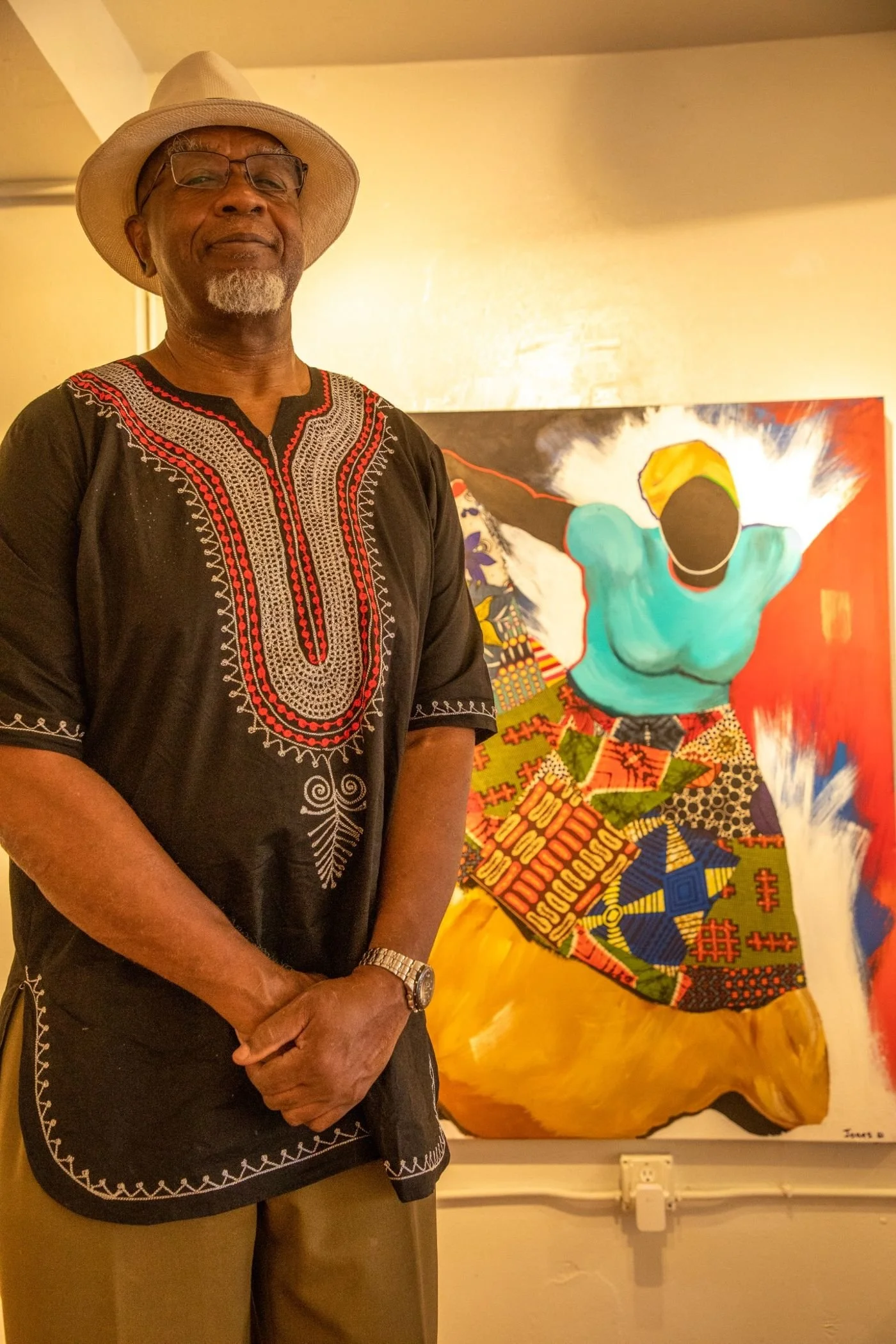
Artist John Obafemi Jones is photographed beside one of his paintings on display at Cane Roots Art Gallery on St. Croix. Photo Credit: Shaquille Cornelius.
In contrast, contemporary cultural events often romanticize the 1920s through themes inspired by F. Scott Fitzgerald’s The Great Gatsby, presenting a hollow version of glamour detached from the lived realities and achievements of Black communities. Celebrating the Harlem Renaissance, instead, allows communities to honor resilience, creativity, and cultural excellence rooted in Black experience. Gatsby-themed events frequently emphasize excess without acknowledging the structural inequalities of the era or the parallel flourishing of Black artistry and intellectual thought.
Recent examples—from local senior proms to Governor Albert Bryan Jr.’s second inaugural ball—have leaned into Gatsby aesthetics, privileging gold, silver, and opulence over historical meaning. A recent Gatsby-themed event hosted by President Trump further illustrates how this imagery is often deployed without regard for cultural context. Even within the Virgin Islands, schools such as St. Croix Educational Complex have hosted Gatsby-themed events, including the Class of 2026 “Intro Night” and the 2024 prom. While visually striking, these themes risk overshadowing the rich narratives of Black excellence and Caribbean influence that deserve celebration closer to home.
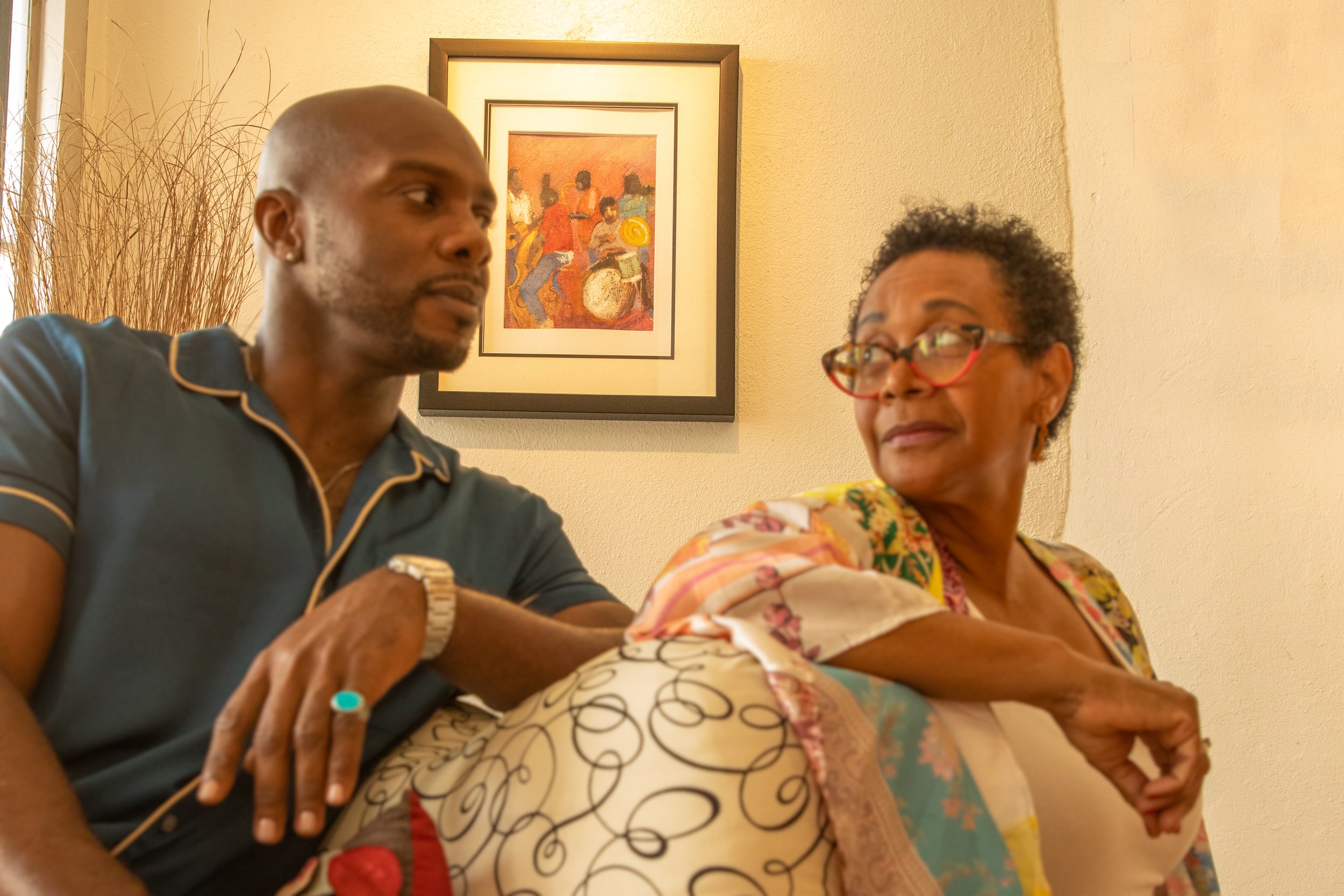
The author and Sonia Deane. Photo Credit: Shaquille Cornelius.
Fashion remains a critical site of cultural storytelling. By centering Caribbean aesthetics—bold patterns, vibrant colors, and expressive silhouettes—communities can reclaim fashion as a living archive of history, pride, and identity. Shifting away from Gatsby-inspired excess toward Harlem Renaissance–inspired celebration allows Black communities to reaffirm their commitment to honoring heritage, intellectual legacy, and creative brilliance. Such a shift not only strengthens communal bonds but also empowers younger generations to see themselves as inheritors of a powerful cultural tradition.
On a more personal note, my engagement with the Harlem Renaissance is deeply rooted in both scholarship and identity. As an English major with both a B.A. and an M.A., I have long been enthralled by Black literature and have spent years immersed in the novels, poetry, essays, and biographies that define this era. One of the most meaningful discoveries in this journey has been recognizing the central influence of the Caribbean on the Harlem Renaissance—an influence that reshaped how I understand Black diasporic connections, intellectual exchange, and cultural innovation. Seeing figures like Hubert Harrison emerge from the Virgin Islands affirms that Caribbean contributions were not peripheral, but foundational.
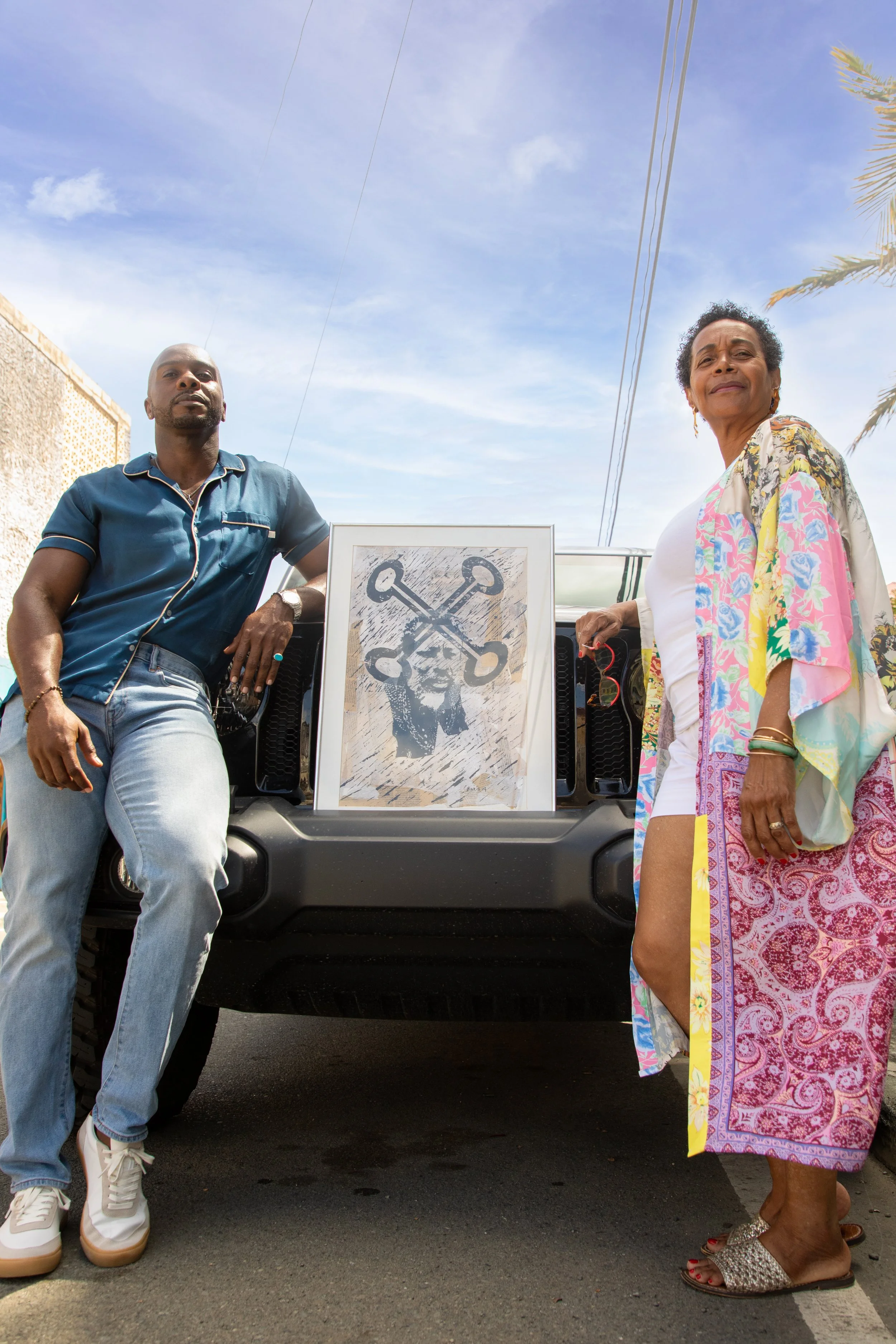
The author and Sonia Deane. Photo Credit: Shaquille Cornelius.
For me, celebrating the Harlem Renaissance is not simply an academic exercise; it is a reclamation of history, culture, and pride. It reminds us that Black creativity has always been global, diasporic, and deeply interconnected—and that honoring these roots is essential as we imagine more meaningful ways to celebrate our past and shape our future.